January 14, 2026
Finding a reliable and competent veterinarian is one of the most important decisions a pet owner can make. Pets are family and their health, comfort, and quality of life depend on the professionals entrusted with their care. From routine wellness visits to unexpected emergencies, the right provider brings peace of mind along with medical expertise. Understanding the qualities that define dependable veterinary care allows pet owners to make confident, informed choices that support their animals. By recognizing these essential traits, you can better evaluate clinics and professionals and build a long-term partnership focused on keeping your pets healthy and happy.
1. Demonstrate Extensive Medical Knowledge
A reliable professional in animal healthcare begins with a strong foundation of medical knowledge developed through formal education and rigorous training. Accredited degrees, licenses, and certifications reflect years of study and hands-on experience in animal anatomy, pharmacology, diagnostics, and treatment. This educational background reassures pet owners that their veterinarian is prepared to address both common conditions and complex medical challenges. Credentials also signal a commitment to maintaining professional standards and delivering consistent, evidence-based care.
Ongoing education is just as important as formal schooling. Veterinary medicine evolves constantly, with new research, medications, and techniques emerging each year. Professionals who pursue continuing education, attend conferences, and explore specialization areas demonstrate a dedication to staying current. This commitment directly benefits pets by ensuring treatment plans reflect the latest advancements rather than outdated practices.
Equally critical is familiarity with modern diagnostic tools and technologies. Advanced imaging, radiology, ultrasound, and in-house laboratory testing allow for faster and more accurate diagnoses. Strong diagnostic skills enable a veterinarian to identify underlying issues early, reducing the risk of complications and improving outcomes. Clear explanations of findings and treatment options further strengthen trust and empower pet owners to participate in care decisions.
2. Practice Compassion And Empathy
Technical expertise alone is not enough in veterinary care; compassion and empathy play an equally vital role. Animals cannot explain their symptoms, and their owners often arrive worried or stressed. Professionals who recognize the depth of the human-animal bond approach care with sensitivity, understanding that emotional reassurance matters alongside medical treatment. This awareness influences everything from exam room interactions to difficult conversations about prognosis or treatment options.
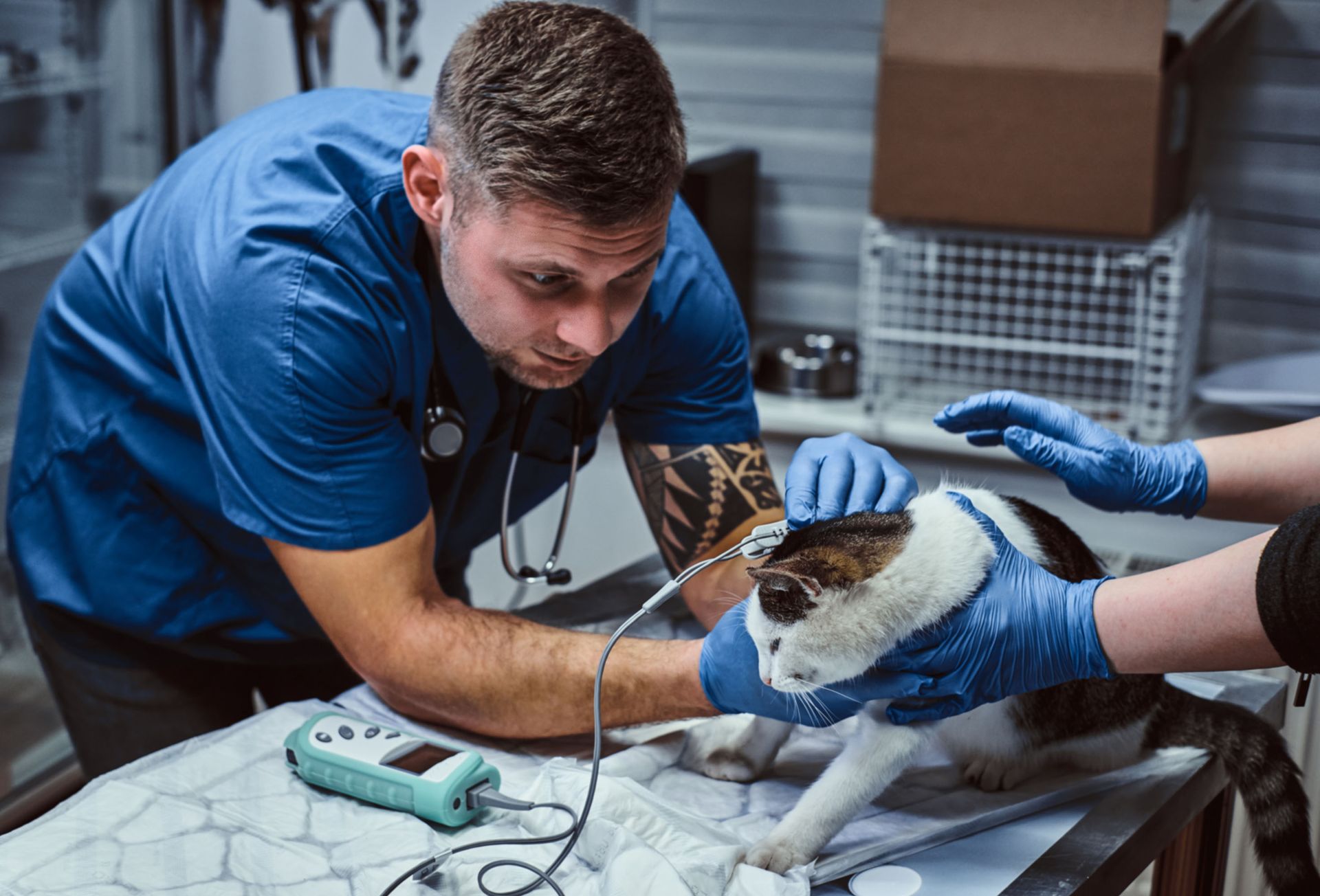
Gentle handling techniques help minimize fear and anxiety during visits. Calm voices, patient movements, and a reassuring presence can significantly reduce stress for pets, making exams and procedures safer and more effective. This approach also reassures owners that their animals are treated with kindness and respect, not just efficiency.
Clear, empathetic communication with pet owners is essential. Explaining diagnoses in plain language, discussing options openly, and listening carefully to concerns fosters trust and collaboration. During challenging moments—such as managing chronic illness or discussing end-of-life care—emotional support becomes especially important. A compassionate veterinarian guides families through these decisions with honesty, dignity, and care, ensuring no one feels rushed or dismissed.
3. Apply Strong Problem-Solving Skills
Every animal is unique, and veterinary care often requires thoughtful problem-solving. Analytical thinking allows professionals to evaluate symptoms, test results, and medical histories to uncover the root cause of an issue. Rather than treating symptoms alone, a skilled veterinarian looks at the bigger picture to develop comprehensive treatment plans that support long-term health.
Creativity plays an important role when standard treatments are not suitable. Some pets may have sensitivities, behavioral challenges, or underlying conditions that require customized approaches. Innovative treatment plans may include alternative therapies, nutritional adjustments, or carefully tailored medication regimens. This flexibility ensures that care aligns with each pet’s specific needs rather than following a one-size-fits-all model.
Decision-making under pressure is another critical skill, especially during emergencies. Quick, confident judgment can be lifesaving when minutes matter. Resourcefulness also comes into play when equipment, time, or information is limited. Collaboration with technicians, specialists, and support staff further enhances problem-solving by bringing multiple perspectives together for the best possible outcome.
4. Uphold Strong Ethical Standards
Ethics form the backbone of trustworthy veterinary care. Adhering to professional codes of conduct ensures animals are treated humanely and that recommendations are based on what is best for the patient—not convenience or profit. Ethical decision-making guides everything from treatment planning to client communication, reinforcing trust at every interaction.
Transparency with clients is a key component of ethical practice. Honest discussions about diagnoses, treatment options, risks, and costs allow pet owners to make informed choices without pressure or confusion. A veterinarian who communicates openly demonstrates respect for the client’s role in decision-making and builds a collaborative partnership focused on the pet’s welfare.
Advocacy for animal welfare extends beyond the exam room. Many professionals engage in community education, preventive care initiatives, and outreach efforts that promote responsible pet ownership. Confidentiality is also essential, as safeguarding medical records and personal information helps maintain client trust. According to dvm360, a full-time veterinarian in companion and mixed animal practice averages 13 to 14 appointment slots per weekday, highlighting the importance of maintaining ethical consistency and privacy even in a fast-paced clinical environment.
5. Foster Affability And Interpersonal Skills
Strong interpersonal skills make veterinary care more approachable and effective. Building rapport with clients creates a welcoming atmosphere where questions are encouraged and concerns are addressed without judgment. Friendly, attentive interactions help establish long-term relationships rooted in trust and mutual respect.
Education is a major part of this relationship. Explaining preventive care, nutrition, parasite control, and wellness strategies empowers pet owners to support their animals at home. When guidance is delivered clearly and compassionately, clients are more likely to follow recommendations and feel confident in their choices.
Conflict resolution skills also matter. Disagreements or misunderstandings can arise, especially during stressful situations. Professionals who approach conflicts calmly and constructively protect the integrity of the relationship while keeping the pet’s best interests at heart. Responsiveness to phone calls, emails, and follow-up questions further reinforces reliability, showing clients that their concerns are taken seriously.
6. Exhibit Organizational And Management Skills
Behind every successful clinic is strong organization and management. Efficient scheduling, accurate record-keeping, and streamlined workflows ensure pets receive timely care without unnecessary delays. Good organization also supports a clean, calm environment that reduces stress for both animals and owners.
Time management is especially important in busy practices. Balancing routine appointments with emergencies requires careful planning and adaptability. Professionals who manage their time effectively can provide thorough care without making clients feel rushed. Attention to detail further supports quality outcomes, as accurate records and careful follow-up prevent errors and miscommunication.
Leadership and staff coordination contribute significantly to the client experience. Clear communication, teamwork, and positive workplace culture allow everyone—from technicians to receptionists—to work together seamlessly. Adaptability rounds out these skills, enabling clinics to evolve with new technologies, services, and community needs while maintaining consistent standards of care.
Choosing the right
veterinarian may feel overwhelming, but focusing on these core qualities can simplify the process. Medical expertise, compassion, ethical integrity, strong communication, and effective management all play vital roles in delivering dependable care. At Tri-County Veterinary Clinic, we’re proud to care for generations of pets and the people who love them. Our team is here around the clock for current clients, offering everything from preventive care and advanced diagnostics to emergency support and compassionate end-of-life services. Serving Marion, Jasper, and Mahaska Counties since 1954, we remain committed to treating every animal with skill, patience, and genuine care. When you’re ready to partner with a team that puts your pet’s health and comfort first, we invite you to reach out and schedule an appointment with us today.