June 15, 2026
Dogs bring companionship, activity, and joy to millions of families across the country. According to The Vet Service, dogs are the most common pet in the United States, with 65 million households owning a dog. This popularity highlights how important it is for pet owners to understand their dog's health needs and stay informed about routine veterinary care. One of the most common questions dog owners ask is how often their dog should see a veterinarian. The answer depends on several factors, including age, health history, and lifestyle. This article will explain how often dogs typically need veterinary visits, why routine care matters, and what signs may indicate it is time to schedule an appointment.
Understanding Routine Veterinary Visits
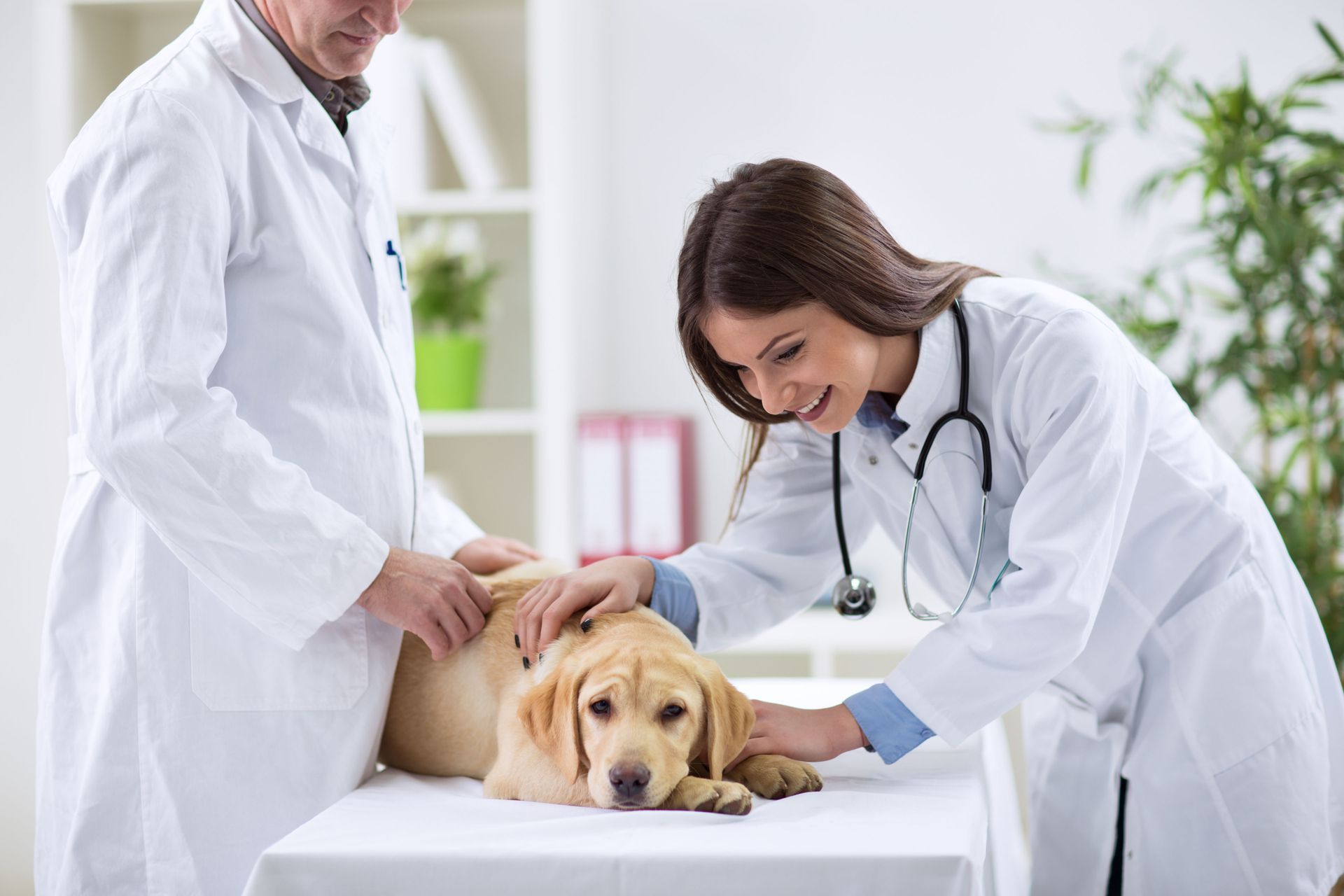
Regular visits to a veterinarian play an important role in a dog's overall health. These appointments allow veterinary professionals to monitor changes that may not be obvious at home. Many health conditions develop gradually and can be easier to manage when identified early.
A routine examination often includes a physical assessment, weight monitoring, and a discussion about your dog's behavior, activity level, and general well-being. These visits also provide an opportunity to ask questions about nutrition, exercise, and age-related concerns. They can also help establish a health baseline, making it easier to recognize changes that may occur over time.
Even dogs that appear healthy can benefit from regular checkups. Some medical issues show very few symptoms in the early stages, making professional evaluations an important part of ongoing care. Consistent veterinary visits can help track trends in your dog's health and provide valuable insight into their changing needs as they grow older.
Scheduling Visits for Puppies
Puppies require more frequent veterinary visits than adult dogs. During the first year of life, dogs experience rapid growth and development. Veterinary appointments help monitor that progress and identify any concerns as early as possible. Young puppies are often seen several times during their first months. These visits allow a veterinarian to evaluate growth, discuss preventive care, and monitor overall development.
Puppy appointments also help establish a relationship between the dog, the owner, and the veterinarian. Early positive experiences can make future visits less stressful and more comfortable for everyone involved. Since every puppy develops differently, the exact schedule may vary. A veterinarian can recommend an appropriate timeline based on the puppy's age, breed, and individual needs.
Maintaining Health During Adulthood
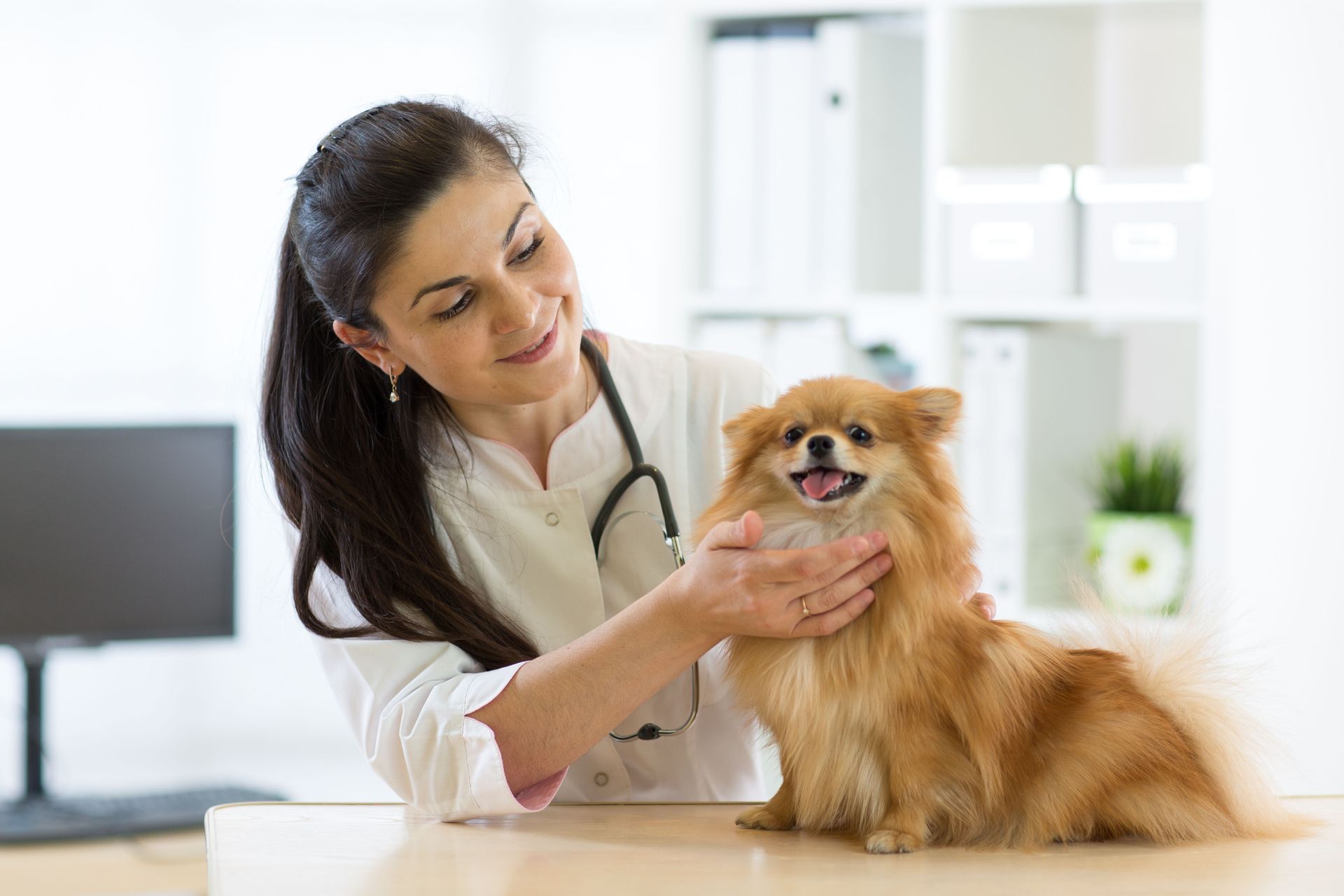
Most healthy adult dogs should visit a veterinarian at least once a year. Annual examinations provide an opportunity to assess overall health and track any changes that may occur over time. During adulthood, dogs often appear active and healthy, but routine evaluations remain important. Weight gain, dental concerns, skin conditions, and other issues can develop gradually. Regular appointments help identify these concerns before they become more serious.
An annual visit also allows owners to discuss lifestyle changes that may affect their dog's health. Changes in activity level, diet, or living environment can all influence a dog's needs. For many dogs, yearly veterinary visits provide a practical schedule for maintaining good health and staying informed about any developing concerns.
Monitoring Health During Senior Years
As dogs age, their healthcare needs often change. Senior dogs may benefit from visiting a veterinarian more frequently than younger adults. Older dogs can experience age-related conditions that affect mobility, vision, hearing, and organ function. More frequent evaluations allow veterinary professionals to monitor these changes and recommend appropriate care.
Many veterinarians suggest visits every six months for senior dogs, although recommendations can vary based on the individual animal. These appointments provide valuable opportunities to assess comfort, mobility, appetite, and overall quality of life. Because dogs age faster than people, health changes can occur more quickly than many owners realize. Consistent monitoring helps support healthy aging and allows concerns to be addressed promptly.
Recognizing Signs That Need Attention
While routine appointments are important, there are times when a dog should see a veterinarian sooner than scheduled. Changes in behavior, appetite, or physical condition can sometimes indicate an underlying problem. Some signs that may warrant professional evaluation include a loss of appetite, excessive thirst, vomiting, diarrhea, difficulty walking, persistent coughing, sudden weight loss, changes in energy levels, or unusual lumps and swelling. While these symptoms do not always indicate a serious health issue, they can signal an underlying condition that requires attention.
If you notice any of these changes, seeking help from a veterinarian can help determine the cause and guide the next steps for your dog's care. Not every symptom indicates a serious condition, but it is often best to seek professional help when noticeable changes occur. A veterinarian can determine whether further evaluation is needed and recommend the most appropriate next steps. Prompt attention to concerning symptoms may help reduce discomfort and improve outcomes for many health conditions.
Addressing Breed and Lifestyle Factors
Not all dogs have the same healthcare needs. Breed, size, activity level, and lifestyle can all influence how often a veterinarian should evaluate a dog. Large breed dogs may experience different health challenges than smaller breeds. Highly active dogs may require monitoring for joint or muscle-related concerns. Dogs that spend significant time outdoors may face different risks than dogs that primarily remain indoors.
Working dogs, sporting dogs, and dogs that frequently interact with other animals may also have unique healthcare considerations. Veterinary professionals can provide recommendations based on a dog's specific circumstances. Because every dog is different, healthcare schedules should be tailored to individual needs rather than following a one-size-fits-all approach.
Supporting Long-Term Wellness
Routine veterinary care is about more than responding to illness. It is also about supporting a dog's long-term wellness and quality of life. Regular checkups create opportunities to track trends in weight, mobility, and overall health. Small changes observed over time can provide valuable information that helps guide future care decisions.
Veterinary visits also encourage ongoing communication between pet owners and veterinary professionals. Questions about behavior, nutrition, aging, or lifestyle can be addressed before they become larger concerns. When routine care becomes part of a dog's normal schedule, it is often easier to identify changes and respond appropriately. Consistent attention to health can contribute to a happier and more comfortable life throughout every stage of a dog's journey.
Following a Personalized Care Plan
Every dog has unique healthcare needs. While general guidelines can provide a helpful starting point, individual recommendations should always be based on a dog's age, medical history, and overall condition. Some dogs may need more frequent visits due to ongoing health concerns, while others may follow a standard schedule of annual wellness examinations. The best approach is to maintain regular communication with a veterinarian and follow recommendations that fit the dog's specific situation. A personalized care plan allows veterinary professionals to monitor important health factors and make adjustments as a dog grows and ages. This approach helps support consistent care throughout every stage of life.
Most dogs benefit from regular visits to a veterinarian, with puppies and senior dogs often requiring more frequent care than healthy adults. Routine examinations help monitor overall health, identify concerns early, and support long-term wellness. If you have questions about your dog's healthcare schedule, contact a veterinarian at Tri-County Veterinary Clinic today to discuss the best plan for your pet.