October 20, 2026
According to the American Veterinary Medical Association, felines reside in 32.6% of American homes, which equals 43.1 million households with an average of 1.8 cats per pet-owning home. Understanding the common medical issues that a veterinarian addresses in cats is crucial for every pet parent. Cats are known for their independent nature, but this stoic demeanor should not overshadow their need for professional medical vigilance. The health challenges feline companions face require comprehensive prevention, active management, and tailored treatment. By understanding these conditions, owners can ensure their beloved pets lead comfortable, fulfilling lives. This awareness becomes an essential part of a responsible pet ownership journey, enhancing the quality of life for your feline friend. Consistent veterinary care, combined with informed observation, forms the backbone of keeping your cat in excellent health. Ensuring your feline's health through professional help also strengthens the bond between pet and owner.
Manage Feline Obesity and Weight
Feline obesity is a growing concern in modern household pet populations. One of the primary causes of excessive weight gain in cats is overfeeding, which often results from owners misjudging portion sizes. Inactivity also plays a significant role, as indoor cats have fewer natural opportunities for daily exercise. Unbalanced diets high in carbohydrates can further exacerbate weight gain in domestic felines. These foods may not provide the precise nutrition cats need to maintain an ideal body mass, often leading to caloric overload. Addressing feline obesity not only prevents health problems but also contributes to a cat's overall happiness and well-being. Proactive weight management helps avert the onset of diabetes and cardiovascular issues. Building awareness among pet owners about the importance of a healthy weight is critical for long-term feline health.
Excessive weight can lead to numerous secondary conditions that severely impact a feline's quality of life. Diabetes mellitus is a major risk, as high body fat interferes with proper glucose metabolism. The extra weight places severe strain on joints, leading to painful arthritis and mobility issues. Obese cats are also predisposed to hepatic lipidosis, a dangerous liver condition that results in severe dysfunction if not managed promptly by a skilled veterinarian. Early intervention and consistent weight management strategies are crucial in mitigating these health risks effectively. With adequate attention, many health problems can be alleviated or avoided altogether. Regular veterinary checkups are essential for monitoring your cat's weight and maintaining its health.
Preventing obesity involves a structured approach incorporating diet, exercise, and routine health tracking. The primary step in prevention is feeding a balanced diet tailored to the cat's specific age and activity level. Portion control is essential, requiring owners to measure food accurately to avoid overfeeding. Regular playtime using interactive toys helps burn calories while stimulating a cat's natural hunting instincts. Routine wellness checks allow a veterinarian to track subtle weight trends, enabling early interventions before long-term health complications develop. With a proactive strategy, cats can enjoy an active and engaged lifestyle well into their senior years. Encouraging an active lifestyle with a variety of toys and activities can greatly benefit your cat's physical health. This multidimensional strategy offers owners peace of mind, knowing their pets are receiving comprehensive care.
Treat Periodontal and Dental Disease
Dental disease is widely recognized by every practicing veterinarian as a prevalent health issue in cats. The most common condition is periodontal disease, which damages the gums and supporting structures of the teeth. This condition begins with plaque buildup, progressing to painful gingivitis and advanced tissue destruction. Feline tooth resorption, where the structure of the tooth erodes, also causes severe oral pain. Understanding these conditions empowers pet owners to be proactive in their feline's dental health, potentially preventing future complications. Consistent dental hygiene practices help avert the onset of painful symptoms. Being vigilant about oral health care leads to fewer dental procedures later in life.
Early detection of oral issues is vital for preserving a cat's overall well-being. Initial symptoms like bad breath, difficulty chewing, excessive drooling, or dropping food indicate underlying problems. When caught early, mild periodontal disease can be managed effectively before permanent damage occurs. Routine examinations allow a veterinarian to inspect the oral cavity thoroughly and recommend appropriate intervention strategies. Preventive care and regular check-ups form the cornerstone of managing your pet's dental health effectively. This proactive care significantly reduces the risk of severe oral diseases. Awareness of potential dental issues allows for timely treatment, minimizing long-term effects.
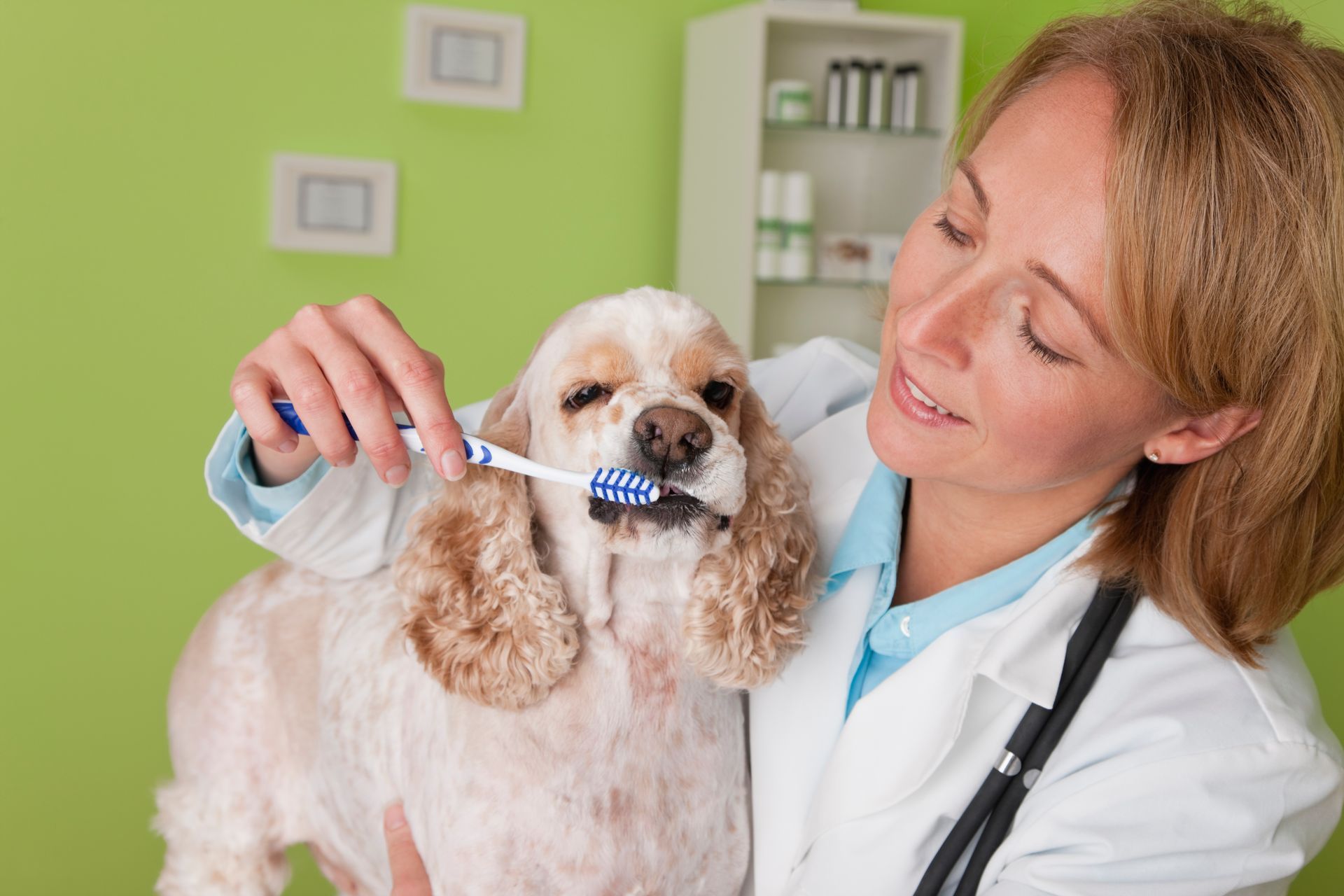
Preventive care forms the foundation of long-term feline oral hygiene. Daily brushing with specialized toothpaste helps control plaque accumulation before it mineralizes into stubborn tartar. Professional cleanings performed under anesthesia remove buildup from areas that home brushing cannot reach. Specialized dental kibble, oral rinses, and approved treats can further assist in reducing bacterial buildup along the gumline. Maintaining optimal dental health is pivotal for preventing discomfort and ensuring your cat enjoys good health across its lifespan. A dedicated dental care routine can extend your cat's lifespan and enhance its quality of life. Dental health significantly affects all aspects of a cat's overall wellness.
Address Urinary Tract Disorders
Feline Lower Urinary Tract Disease encompasses a group of conditions affecting the bladder and urethra in cats. Common symptoms include frequent trips to the litter box, straining to urinate, vocalizing in pain, and blood in the urine. Affected cats often urinate in inappropriate places due to associated discomfort. Any sudden change in toileting habits requires prompt evaluation by a veterinarian. Early attention can prevent the worsening of symptoms and enables effective treatment strategies tailored to the individual feline's needs. Recognizing these signs early on is crucial to avoiding long-term damage. Prompt care ensures quicker recovery and less stress for your cat.
The development of urinary tract issues involves physical, dietary, and environmental risk factors. Lack of moisture in the diet can lead to concentrated urine, encouraging the formation of microscopic crystals and painful stones. Stress is another major contributor, as environmental anxiety directly impacts bladder inflammation. In male cats, urethral obstructions can develop, which represents a life-threatening emergency requiring urgent medical intervention. Understanding and mitigating these risk factors is essential in protecting your cat's urinary health. Proactive dietary management can significantly reduce the occurrence of these conditions. A stress-free environment aids in maintaining overall urinary health.
Managing urinary health requires a combined approach of medical care, dietary adjustment, and stress reduction. Increasing water consumption through wet food or circulating fountains helps flush the urinary bladder continuously. Therapeutic diets formulated to balance urinary pH can prevent crystal formation from recurring. Providing multiple clean litter boxes in quiet areas reduces stress and supports healthy urinary habits. By incorporating these practices into daily care, pet owners can help maintain a stress-free and healthy environment for their feline friends. Tailored care plans ensure your cat receives the best possible preventative measures. Committed care enhances your cat's longevity and happiness.
Ensuring your feline companion stays healthy requires consistent care and professional guidance. From managing weight to providing complex dental care and emergency interventions, partner with the experienced team at Tri-County Veterinary Clinic to keep your pet happy and thriving for years to come. Regular consultation with veterinary professionals adds an extra layer of assurance in maintaining your pet's optimal health and wellness. Trusting in professional advice and expertise is key to comprehensive pet care. Building a relationship with a veterinarian provides continuous support and peace of mind.