August 17, 2026
Annual veterinary visits provide an opportunity to monitor a pet's health, update vaccinations, and address preventive care needs through comprehensive veterinary services. Regular wellness exams allow veterinarians to evaluate a pet's overall condition and identify potential concerns that may require additional attention. According to The Vet Service, 71% of U.S. households own a pet.
Routine veterinary care can support pets throughout different stages of life by helping owners stay informed about changing health needs. From wellness exams and vaccinations to nutritional counseling and parasite prevention, veterinary services play an important role in maintaining ongoing wellness. Regular visits also allow pet owners to discuss concerns and make informed decisions about continued care.
Comprehensive Health Concerns
Regular wellness exams give veterinarians an opportunity to evaluate a pet's overall health and identify potential concerns. During these visits, veterinarians perform physical examinations and assess changes that may indicate a need for further evaluation or treatment. Consistent monitoring can help establish a health profile that supports ongoing veterinary care.
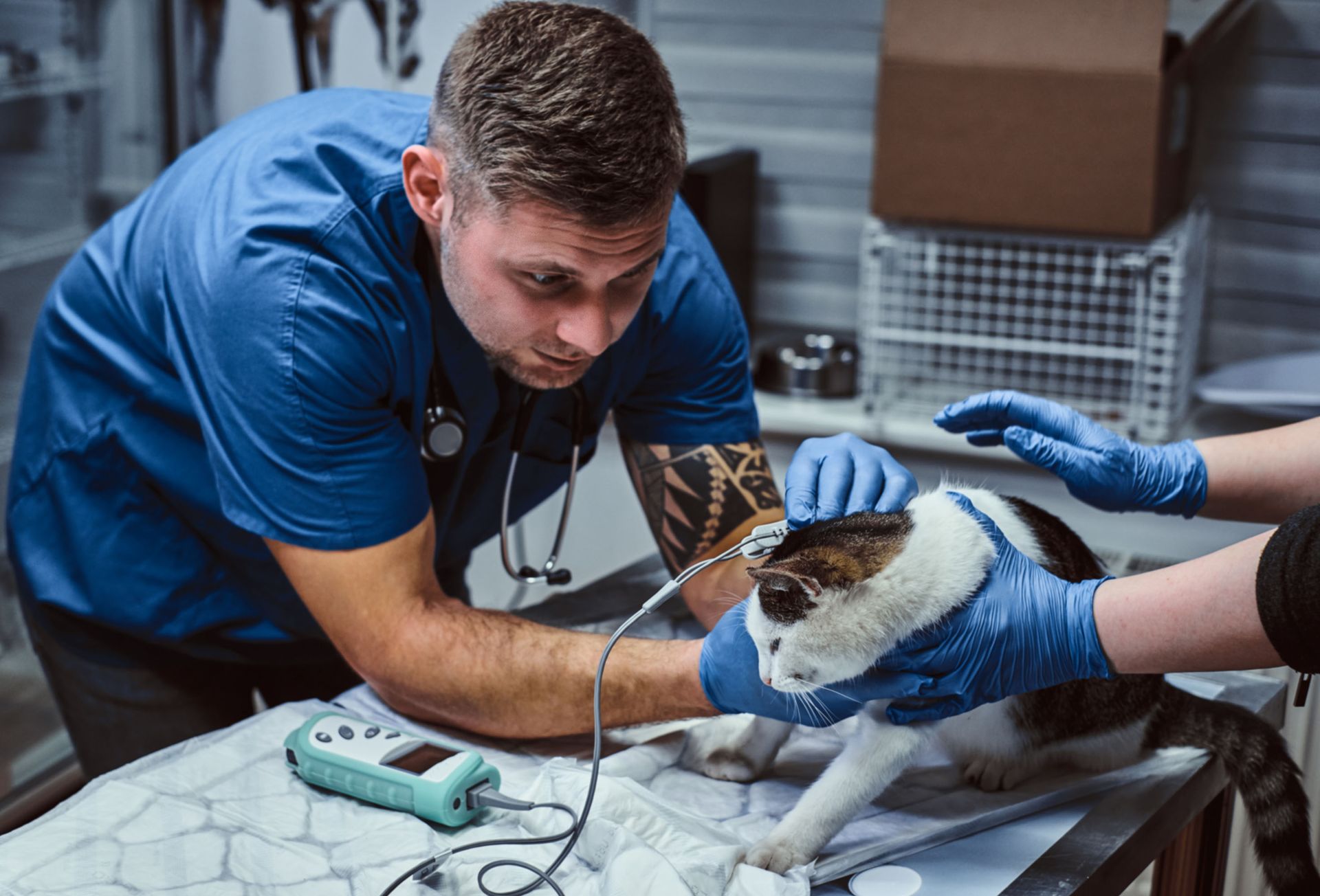
Diagnostic services can provide additional information when a pet's condition requires a closer look. Veterinary services that include diagnostic support may involve tools such as radiology and ultrasound to help evaluate internal conditions and support treatment decisions. These evaluations can provide veterinarians with additional details when determining appropriate care.
Maintaining regular veterinary visits helps owners stay aware of changes in a pet's condition over time. Monitoring health patterns allows veterinarians to better understand a pet's needs and recommend appropriate care when concerns arise. Regular examinations can also help address questions about a pet's ongoing wellness.
Preventive Care Maintenance
Preventive care is an important part of annual veterinary visits. Veterinary services focused on wellness exams provide opportunities to review vaccination needs, parasite prevention, and other routine health considerations. These visits help owners maintain consistent care plans based on their pet's needs.
Vaccination plans can vary based on each pet's needs. Veterinary visits allow owners to discuss vaccination schedules and keep pets current with recommended vaccines. Custom vaccination plans help address the specific needs of individual animals.
Parasite prevention is another important component of ongoing veterinary care. Preventive services can help protect pets from common concerns such as fleas, ticks, and intestinal parasites. Discussing parasite control during regular visits allows owners to maintain an appropriate prevention plan for pets.
Proper Nutritional Support
Proper nutrition plays an important role in a pet's overall health. Nutritional counseling is one of the veterinary services available to help owners understand their pet's dietary needs depending on factors such as age, health status, and lifestyle. Veterinary guidance can help owners make informed decisions about feeding plans.
A pet's nutritional needs may change throughout different stages of life. Regular discussions about diet provide an opportunity to evaluate current feeding plans and make adjustments when appropriate. This approach helps ensure that nutritional choices continue to support a pet's ongoing wellness needs.
Working with a veterinarian on nutrition allows pet owners to address questions about their pet's diet. Professional recommendations can help owners better understand their animal's specific needs and maintain appropriate feeding routines. Nutritional counseling can be a valuable part of a pet's overall healthcare plan.
Ongoing Pet Care
Veterinary needs can change as pets grow and age. Puppies and kittens may require more frequent veterinary visits than adult pets, while senior pets can also benefit from additional monitoring. Regular visits provide opportunities to address changing health needs as pets move through different stages of life.
Preventive care can include wellness exams, vaccinations, parasite prevention, and other services appropriate for the individual animal. Micro-chipping is also available to provide permanent identification for pets. These services can help owners maintain consistent care throughout their pet's life.
Routine veterinary care can help owners stay aware of their pet's health and address concerns as they arise. Keeping up with recommended visits also provides an opportunity to discuss questions about ongoing care. Veterinary services can support pets through routine needs as well as more specialized situations.
Veterinary care can also include services that address specific needs beyond routine wellness visits. Micro-chipping provides a form of permanent identification, while nutritional counseling can help owners understand dietary needs depending on factors such as age, health status, and lifestyle. These services give pet owners additional options for supporting their animals as their needs change.
Regular visits also provide an opportunity to discuss preventive care and determine whether additional veterinary services may be appropriate. Diagnostic testing, surgery, dental care, and emergency treatment are available when a pet requires more involved medical attention. Maintaining ongoing veterinary care can help owners stay informed and respond to changing health needs throughout their pet's life.
Advanced Diagnostic Services
Some health concerns require more than a physical examination. Diagnostic veterinary services can provide additional information when a pet needs further evaluation. These services can help veterinarians gather details needed to better understand a pet's condition.
Radiology and ultrasound are available for diagnostic purposes. These services can help veterinarians evaluate internal conditions and gather information that may support a diagnosis or treatment plan. Diagnostic tools can provide additional insight when a pet requires further medical attention.
Laboratory testing is also available when additional medical information is needed. Combining diagnostic services with physical examinations allows veterinarians to evaluate a pet's condition more thoroughly. These evaluations can help guide decisions about appropriate veterinary care.
Specialized Surgical and Dental Care
Some pets require veterinary care beyond routine wellness services. Surgical care is available for animals that need procedures to address medical conditions or other veterinary needs. These services provide additional support when a pet requires extra care.
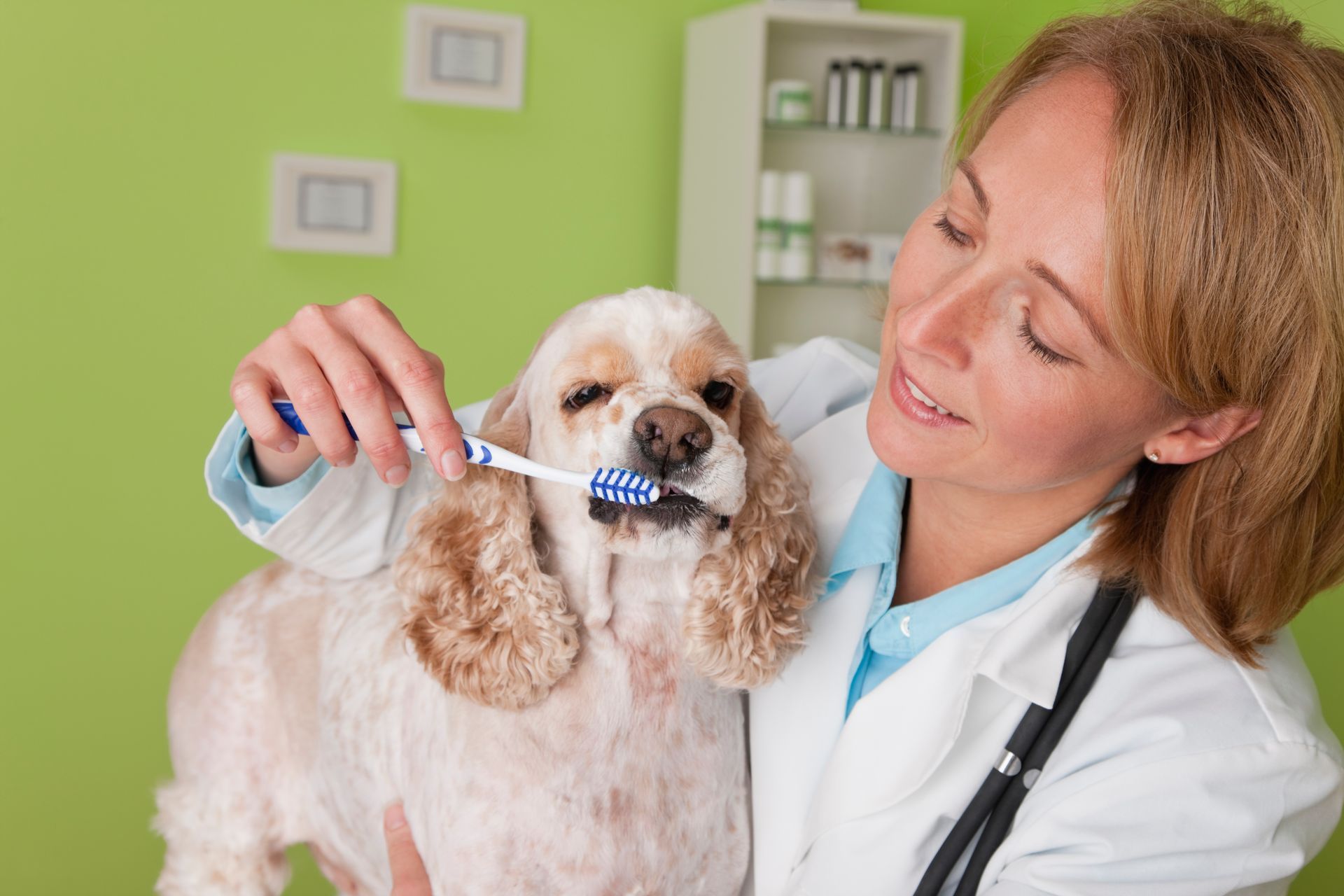
Dental care is another part of comprehensive veterinary treatment. Dental services can address a pet's oral health and provide care when dental concerns require professional attention. Regular veterinary visits can also provide opportunities to discuss dental care needs.
Access to wellness, diagnostic, surgical, and dental services allows veterinary care to address a range of needs as they arise. Each pet may require different types of care based on its health and circumstances. Veterinary services can provide support throughout many stages of a pet's life.
Emergency Care Preparation
Although routine veterinary visits focus on preventive health and ongoing monitoring, pets can also experience sudden illness or injury. Emergency veterinary services are available for current clients who need urgent medical attention. These situations may require prompt evaluation and specialized care.
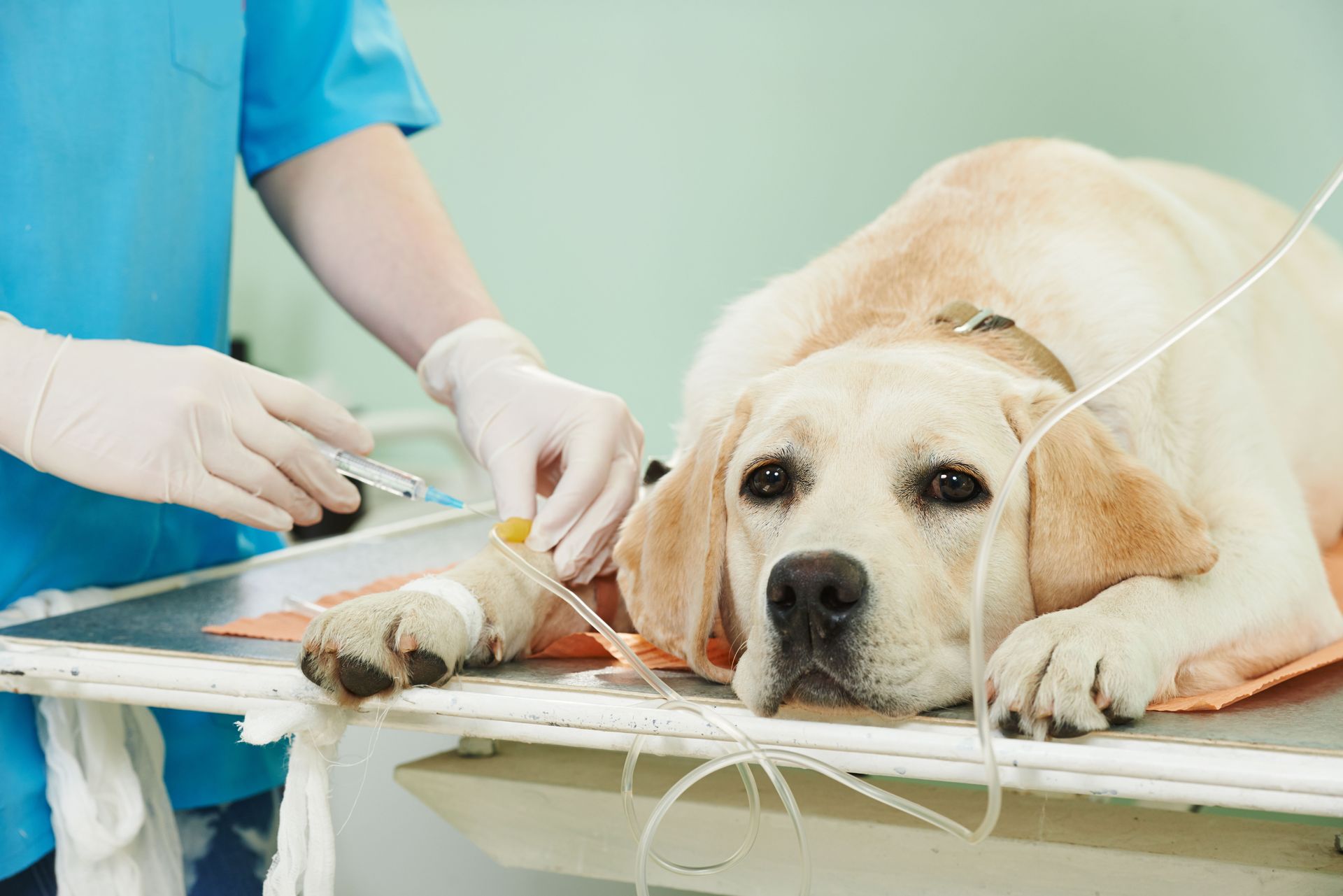
Emergency care includes support for trauma and illness, as well as emergency surgery, blood transfusions, and critical care. Having an established veterinary relationship can help current clients know where to turn when an urgent situation occurs. Emergency services provide additional support when unexpected medical concerns arise.
Routine veterinary care and emergency services serve different purposes, but both can be important parts of a pet's overall healthcare plan. Preventive visits focus on monitoring health and addressing ongoing needs. Emergency care provides support when more immediate medical attention is required.
Annual veterinary visits provide an opportunity to keep up with wellness exams, vaccinations, parasite prevention, and other routine care. These visits also give veterinarians a chance to monitor changes in a pet's health and determine when additional evaluation may be appropriate. Nutritional counseling, diagnostic services, surgery, dental care, and emergency treatment can provide further support when pets need more attention.
Tri-County Veterinary Clinic offers veterinary care for dogs, cats, farm animals, and exotic pets, with services designed to address a range of health needs throughout an animal's life. The clinic provides care that includes wellness exams, preventive services, diagnostics, surgery, dental care, and emergency treatment. Learn more about available veterinary services and find care suited to your pet by contacting Tri-County Veterinary Clinic.