November 17, 2026
Pets bring companionship, comfort, and memorable moments into our lives, making their health an important part of responsible ownership. From playful puppies and curious kittens to older companions who prefer a slower pace, every animal deserves care that supports changing needs. Regular appointments with a local veterinary service help owners address potential concerns and make informed decisions about prevention, nutrition, and everyday care. These visits are not simply about treating illness; they also build a foundation for a healthier life.
Veterinary appointments can make pet ownership feel less overwhelming. A professional can answer questions about unusual behavior, feeding habits, or preventive treatments and help owners feel more confident. Over time, these conversations establish routines that benefit pets throughout every life stage. Even healthy pets benefit from these check-ins because wellness needs shift with growth, activity, and changing environments. A visit also creates space to review questions that may not seem urgent but still matter. That reassurance can be valuable for owners navigating care decisions over time together.
Detecting Health Problems Earlier
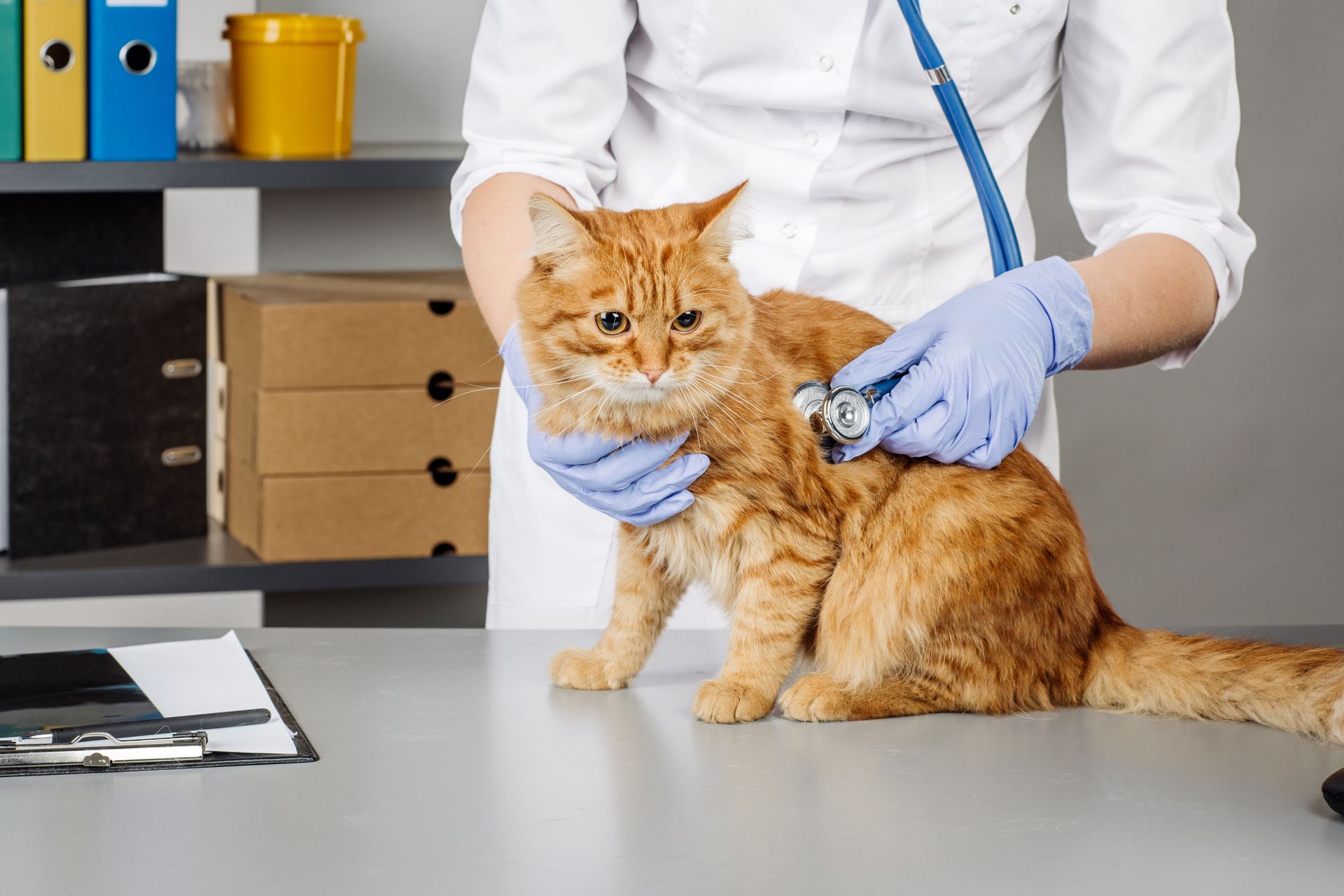
Routine veterinary appointments create opportunities to identify health concerns before they become harder to manage. Pets cannot explain when something hurts, so subtle changes may go unnoticed at home. During examinations, veterinarians evaluate body condition, heart function, breathing, mobility, and overall appearance. A local veterinary service can recognize potential concerns early and determine whether testing or treatment is appropriate.
Depending on age, medical history, and risk factors, veterinarians may recommend bloodwork, urine testing, imaging, or other screenings. These evaluations reveal information that a physical examination alone may not provide and help establish useful health baselines. According to the American Veterinary Medical Association, the United States has an estimated 133,475 veterinarians, representing a substantial professional workforce supporting animal health. A familiar provider can also compare results over time and assess changes in appetite, activity, or behavior.
Maintaining Nutrition and Managing Weight
Nutrition influences energy, muscle development, digestion, and immune function, but choosing appropriate food can be confusing amid competing recommendations. Veterinarians evaluate dietary needs according to age, breed, activity, and medical history. A local veterinary service gives owners an opportunity to discuss feeding routines and determine whether adjustments could better support wellness.
Weight management also matters throughout a pet’s life. Excess weight can strain joints and increase the risk of certain conditions, while unexplained weight loss may signal illness or nutritional problems. Veterinarians can monitor body condition, recommend portions, and suggest realistic exercise routines. Pets with allergies, digestive sensitivities, or chronic conditions may also need specialized diets, making professional guidance and periodic reassessment especially useful. Small, gradual changes to portions or activity are generally easier to maintain than abrupt, restrictive routines.
Protecting Dental Health and Preventing Discomfort
Dental problems can affect a pet’s comfort, eating habits, and general well-being. Plaque, inflamed gums, and periodontal disease may develop gradually, making early signs difficult to notice. Routine dental examinations let veterinarians assess the mouth, identify changes, and recommend appropriate care. A local veterinary service can explain how oral maintenance fits into preventive wellness.
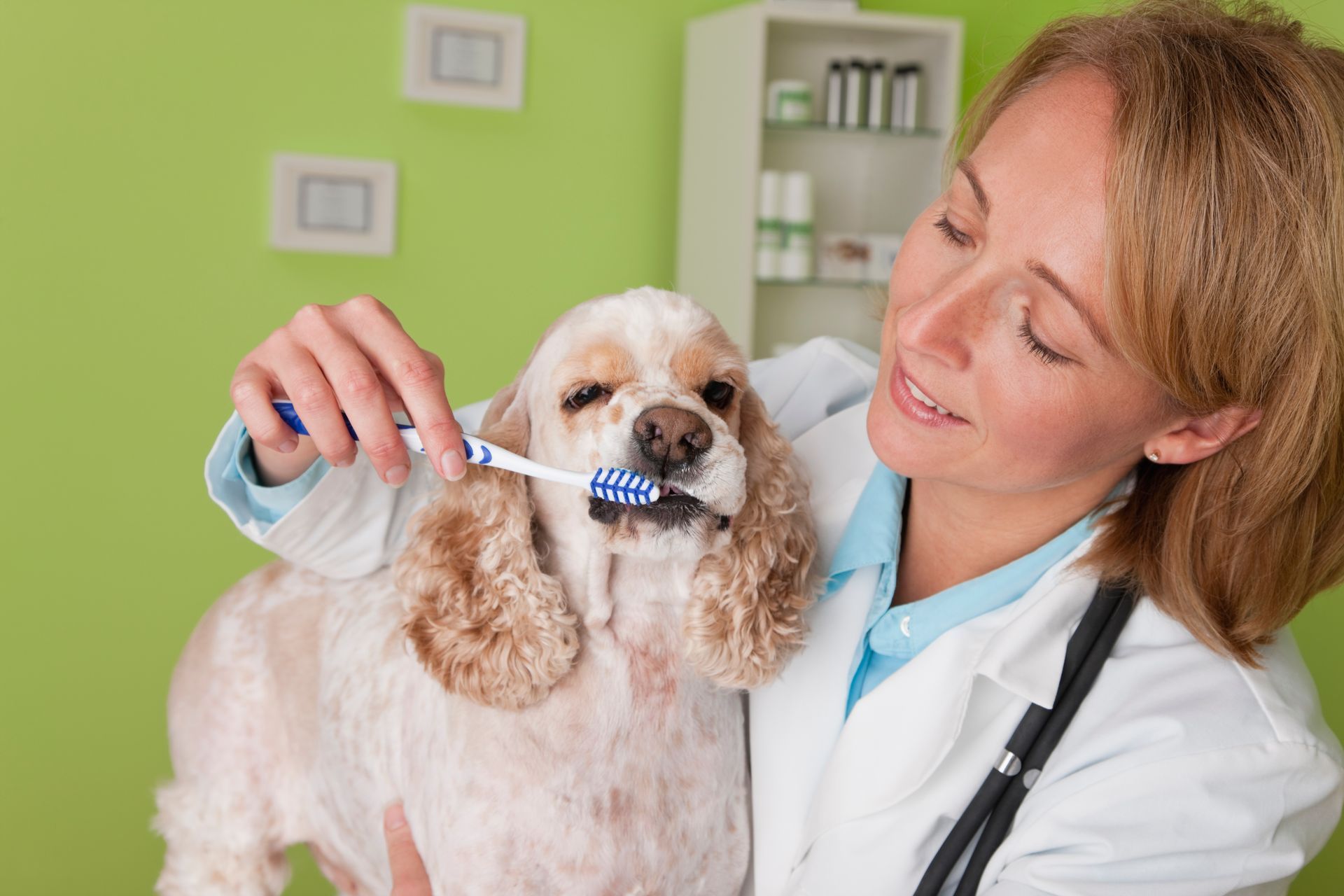
Professional cleanings may be necessary when plaque or tartar cannot be managed at home. Depending on a pet’s condition, veterinarians may recommend procedures to address painful or damaged teeth. At home, brushing with pet-appropriate toothpaste and observing chewing habits can support professional care. Persistent bad breath or changes in eating should not be dismissed as normal, since they may indicate discomfort or disease. Your veterinarian can demonstrate safe brushing techniques and help you choose products designed specifically for animals.
Supporting Behavior and Improving Daily Comfort
Behavior changes can be early signs of discomfort, stress, or illness. Irritability, hiding, excessive vocalization, or altered sleep patterns deserve attention, especially when they appear suddenly. Veterinarians can help determine whether these behaviors relate to pain, medical concerns, or environmental factors. Discussing changes with a local veterinary service offers a practical starting point for identifying causes.
Everyday challenges such as separation anxiety, destructive chewing, or fear may require changes to routines and surroundings. Depending on the situation, veterinarians can recommend positive reinforcement, enrichment, or help from qualified behavior professionals. Predictable schedules, comfortable resting areas, and appropriate activity also support emotional well-being. Regular conversations about behavior help owners track progress and recognize when additional support is needed. Owners can note when a behavior occurs and what seems to trigger it, making patterns easier to discuss.
Preventing Parasites and Maintaining Protection
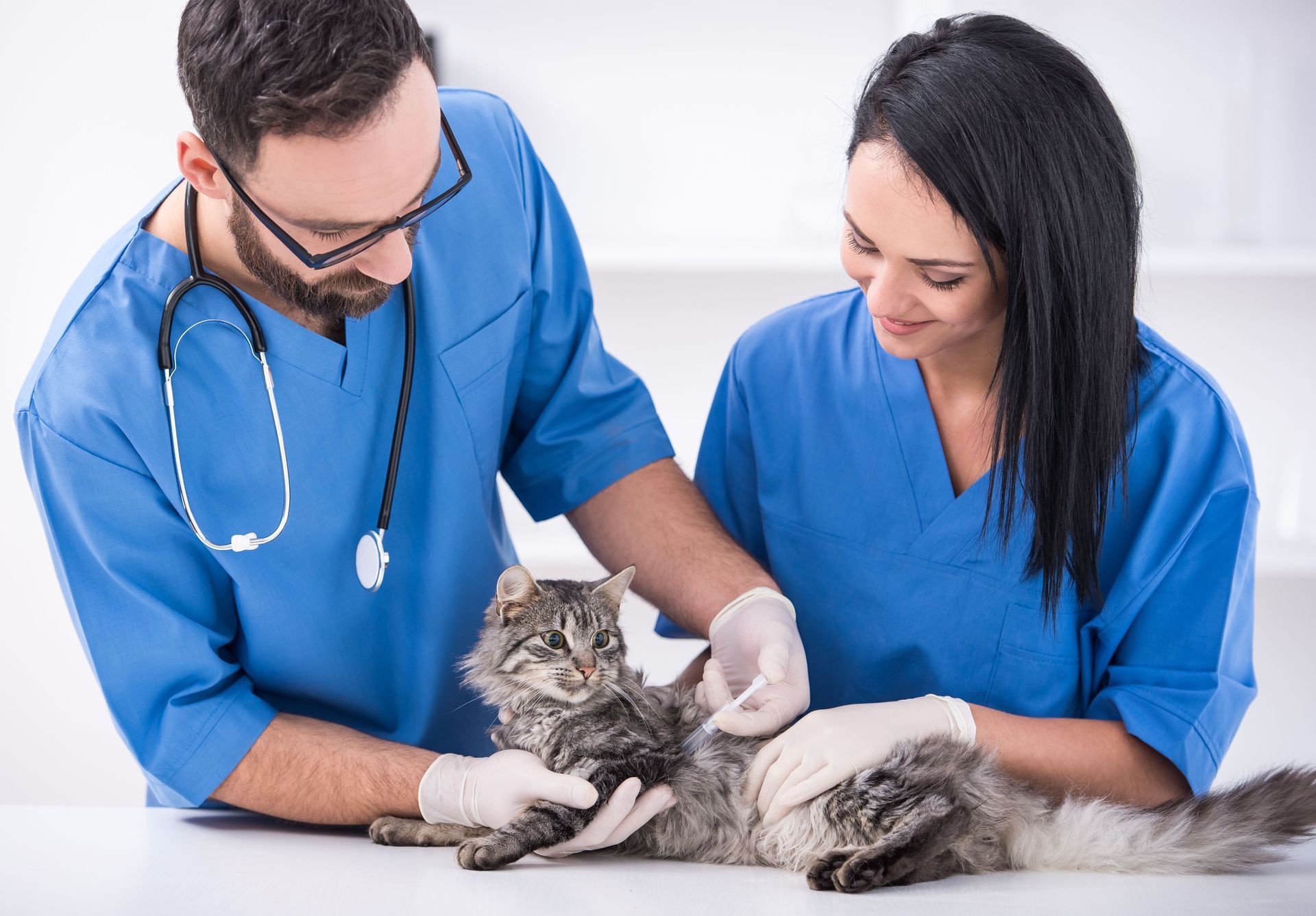
Fleas, ticks, heartworms, and intestinal parasites can cause significant problems when prevention is neglected. Routine appointments allow veterinarians to assess exposure risks and recommend appropriate medications. A local veterinary service can explain which protection options suit a pet and how consistently they should be used.
Prevention plans depend on location, outdoor activity, and contact with other animals. Although parasite activity may change with the seasons, protection can be necessary year-round. Veterinarians can explain warning signs such as persistent scratching, digestive changes, fatigue, or visible parasites. Keeping medications current and following recommended testing schedules helps reduce avoidable concerns, while discussing missed doses or side effects supports safer care. Ask whether household members or other pets may also need precautions when a parasite is identified.
Adjusting Care for Aging Pets
Older pets may experience reduced mobility, appetite changes, sensory difficulties, or greater sensitivity to discomfort. Regular evaluations help identify these changes and determine whether treatment, nutrition, or daily routines should be adjusted. A local veterinary service can guide owners through age-related needs and help them recognize meaningful changes.
Senior animals may need more frequent examinations or diagnostic testing because joint, kidney, heart, and other conditions can develop gradually. Monitoring changes gives veterinarians opportunities to recommend timely interventions. Pain management is especially important: discomfort may cause pets to avoid stairs, become less active, or struggle to settle. Medication, environmental modifications, and supportive equipment may improve mobility and help older companions continue enjoying familiar activities. Changes in bedding, ramps, nonslip flooring, and accessible food or water can make home life easier.
Building Stronger Veterinary Partnerships
A lasting relationship with a veterinarian makes care more consistent and personalized. When professionals know a pet’s medical history, personality, and usual behavior, they can better evaluate changes and offer relevant recommendations. Owners may also feel more comfortable raising concerns that otherwise go unaddressed. This partnership encourages proactive decisions instead of waiting for urgent problems.
Preparation makes appointments more productive. Bringing medication details, noting changes in appetite, recording symptoms, and preparing questions helps explain what has happened between visits. Preventive recommendations and follow-ups should reflect each animal’s circumstances rather than one universal schedule. Open communication and consistent care help owners build routines that support long-term health through a local veterinary service. Follow-up plans also clarify when to call sooner rather than waiting for the next scheduled examination.
Regular veterinary visits offer benefits beyond treating illness, supporting early detection, nutrition, dental maintenance, behavior, parasite prevention, and age-appropriate care. Appointments also give owners opportunities to ask questions, understand changing needs, and make confident everyday decisions. Consistent preventive care can help pets remain comfortable, active, and connected to the people who love them.
Every animal has individual needs, and meeting them requires attention, patience, and professional guidance. A dependable veterinary relationship creates a foundation for wellness from the earliest years through the senior stage of life. To discuss preventive care and ongoing wellness needs for your companion, contact Tri-County Veterinary Clinic.